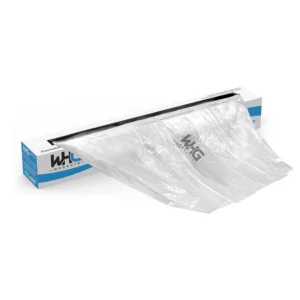
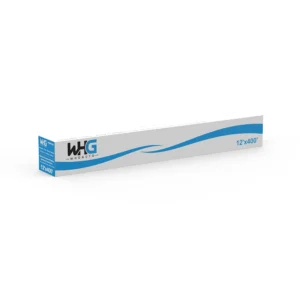
Masking Film
From body shops to industrial paint facilities.
We offer a variety of masking films for different industries and applications.

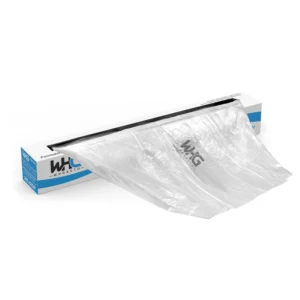
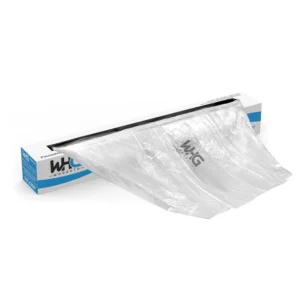
Masking films are essential during the masking process for covering large areas. They’re typically made using polyethene to give them the strength needed to prevent tearing or punctures.
Masking films are most commonly used during spray painting, although this is suitable for use in many different industries. From aerospace to automotive, masking films can be used to cover any area and protect it from overspray or leaking.
Masking film products can vary depending on the purpose they’re best suited to. Therefore, the methods used for this product will change based on whether you’re protecting surfaces in your body shop or covering parts of a vehicle to prevent overspray.
While some films contain adhesives and will need to be applied with a more targeted approach, others are electrostatically charged and only need to be placed in the right areas and sealed by tying off the ends or taping them down.
Masking films are suitable for use on any materials and surfaces, including metal, steel, and wood. Any surface underneath your masking film should be safe from any damage or overspray as long as it has been correctly applied.
Most WhgAuto Masking Films have been designed to be temperature resistant, meaning they’re suited for use in low-bake ovens and other artificial heating and drying systems.
The corona treatment on the majority of our masking films means that they will hold any liquid on the surface. Water and other liquids won’t be absorbed into the film, making them water resistant.